 Fuego .
A desktop app for Firestore and Firebase.
I built it because I got tired of fighting the Firestore tooling on my own projects.
fuegoapp.devSanti Bivacqua, software maker in Catania, Sicily
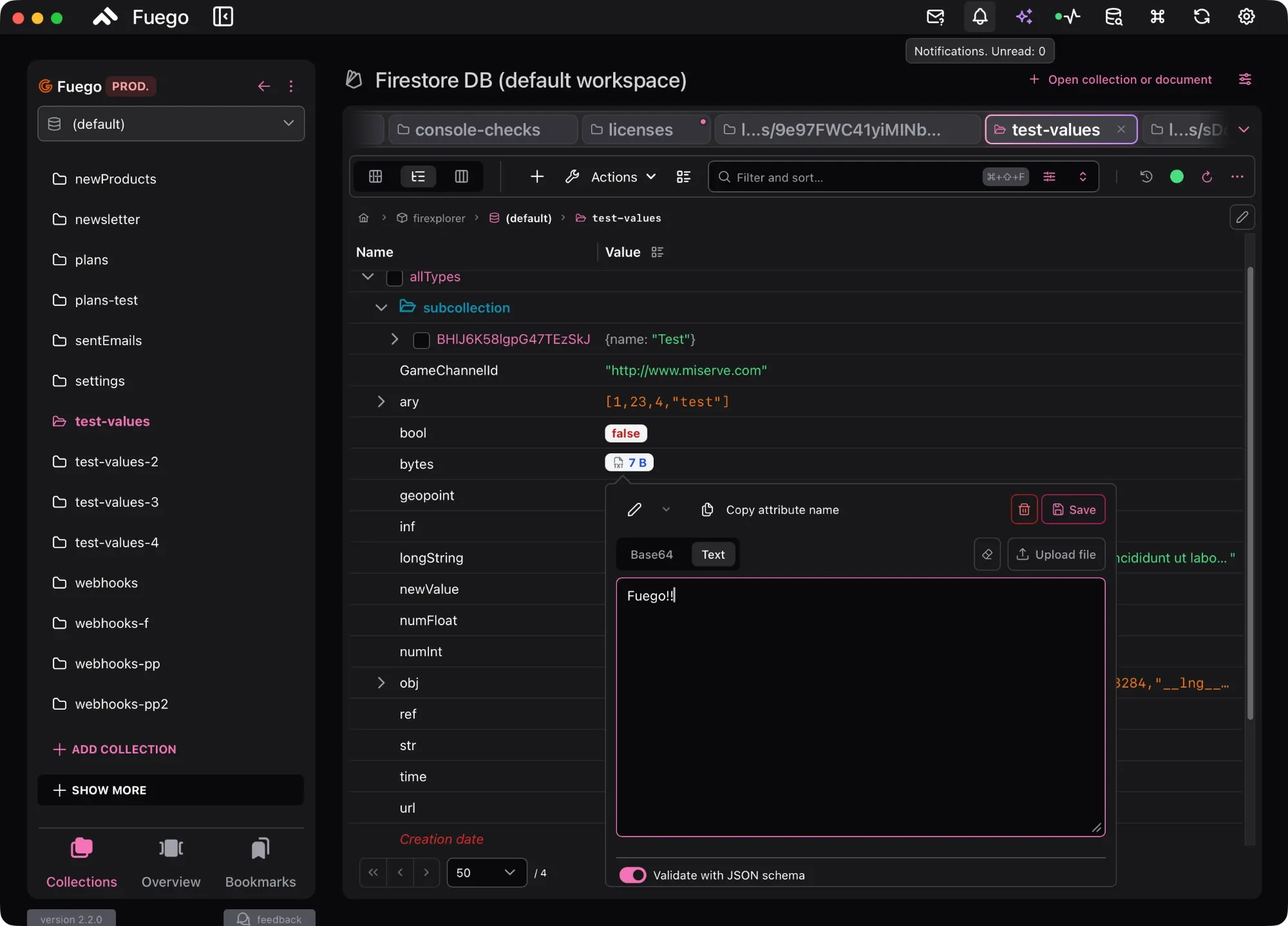
Fuego: The Fuego desktop app: a Firestore collection open as a tree of fields with their values, and the editor for a bytes value open on top of it. 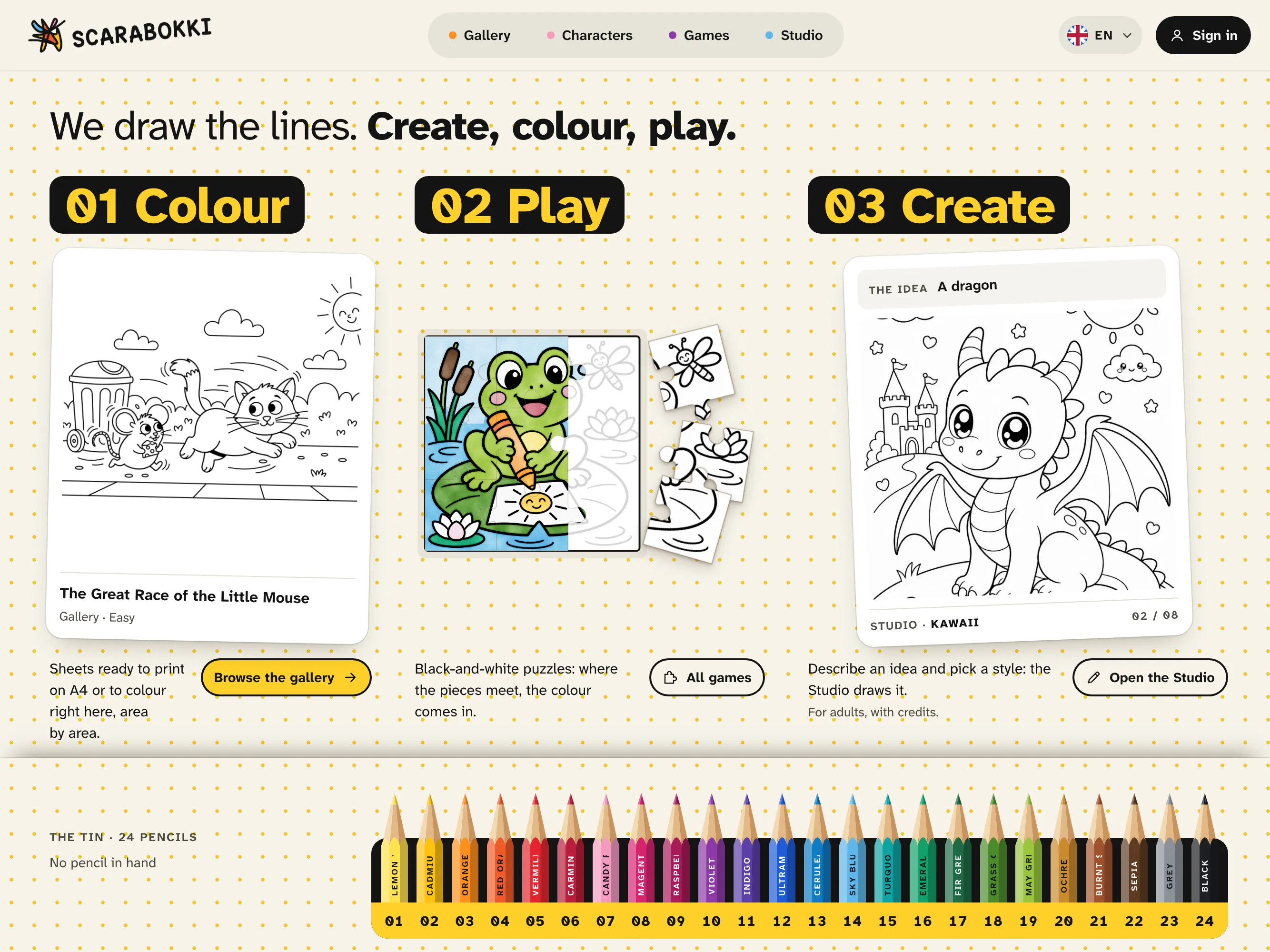 Scarabokki: The Scarabokki home page: three columns — colour, play, create — over a cream dotted ground, with a row of coloured pencils along the foot.
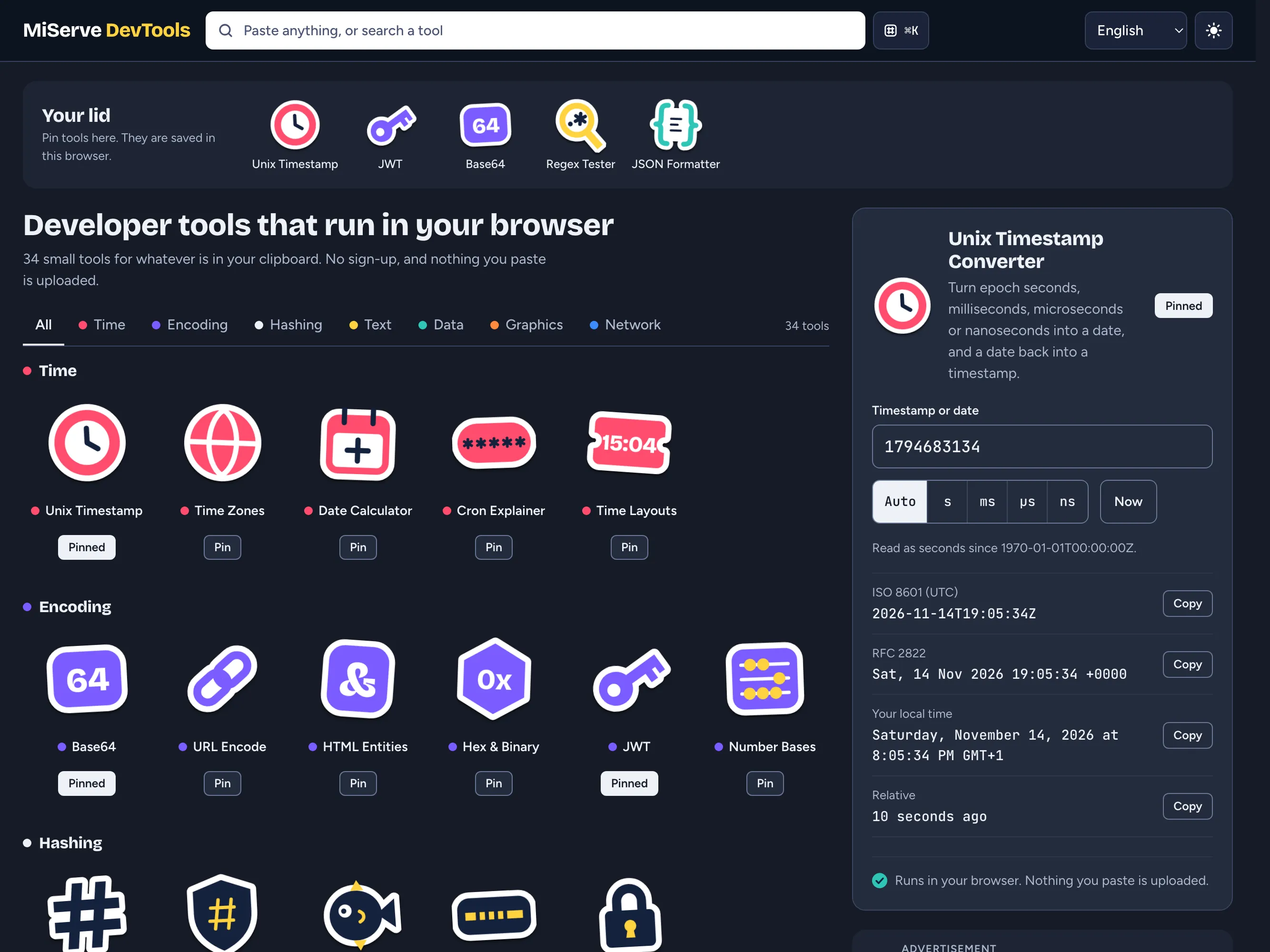 DevTools: The MiServe DevTools home page: a search field, a row of pinned tools, the catalogue grouped by Time, Encoding and Hashing, and the Unix timestamp converter open on the right.
 Santi, a pixel portrait
 Scarabokki: a dragon colouring page made in the studio
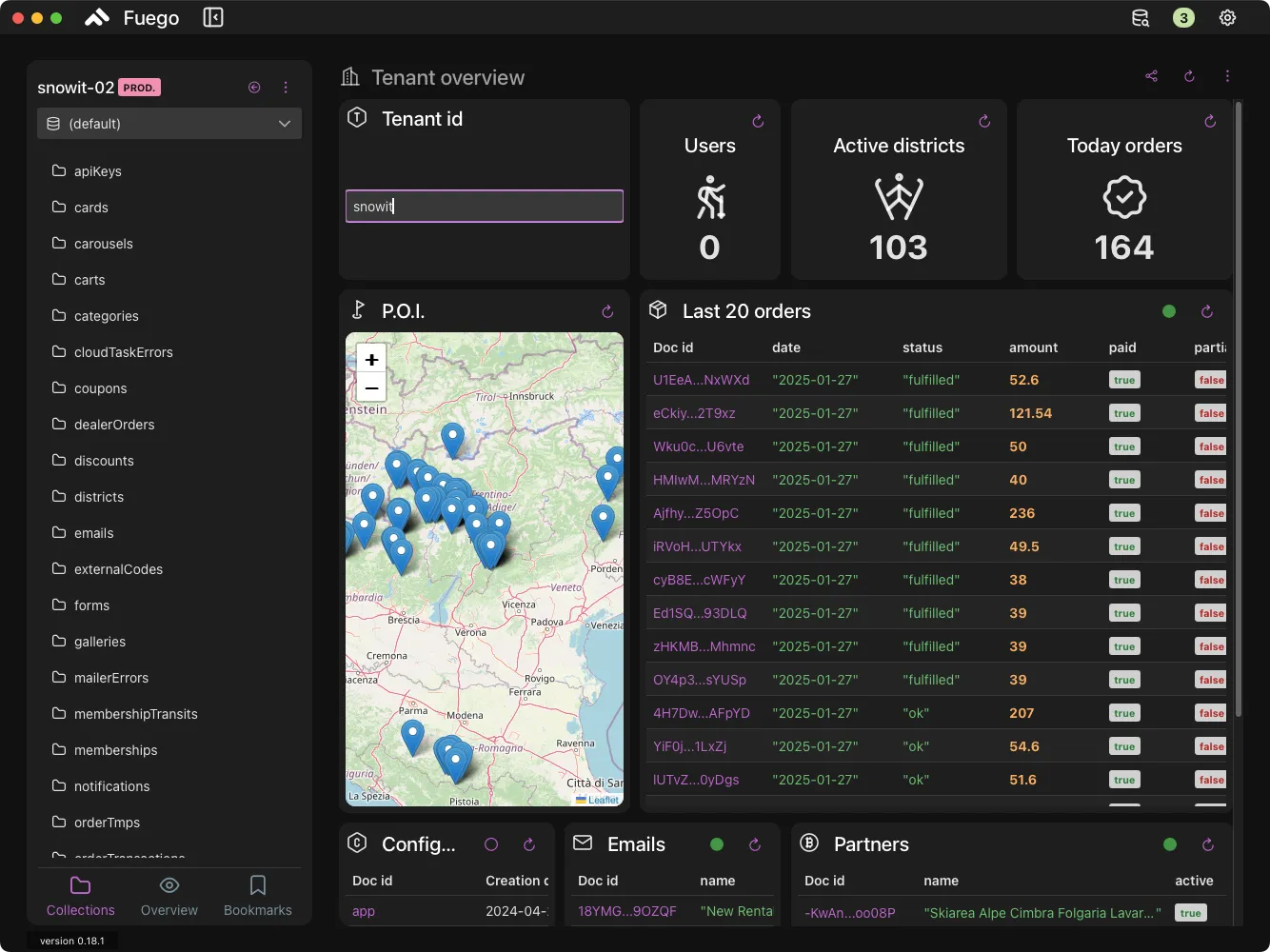 Fuego: a project dashboard, with counters, a map of records and a table of recent orders
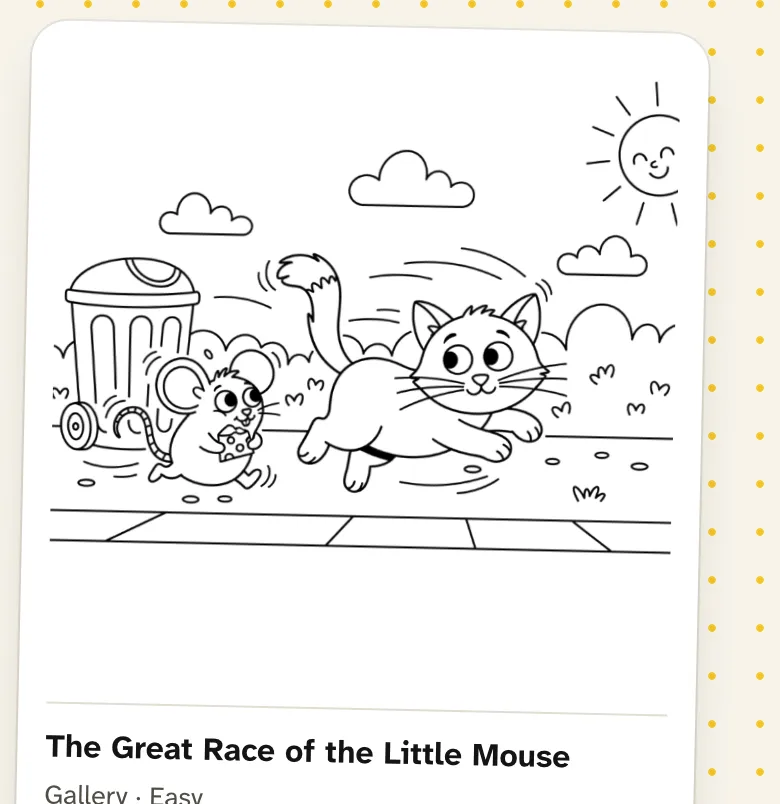 Scarabokki: a colouring sheet from the gallery main.go
http.HandleFunc("POST /mail", handleMail)
http.HandleFunc("GET /up", func(w http.ResponseWriter, r *http.Request) {
fmt.Fprintf(w, "Server is up and running")
})
port := os.Getenv("PORT")
if port == "" {
port = "8080"
}
slog.Info(fmt.Sprintf("Server starting on port %s...", port))
if err := http.ListenAndServe(":"+port, nil); err != nil {
log.Fatal(err)
}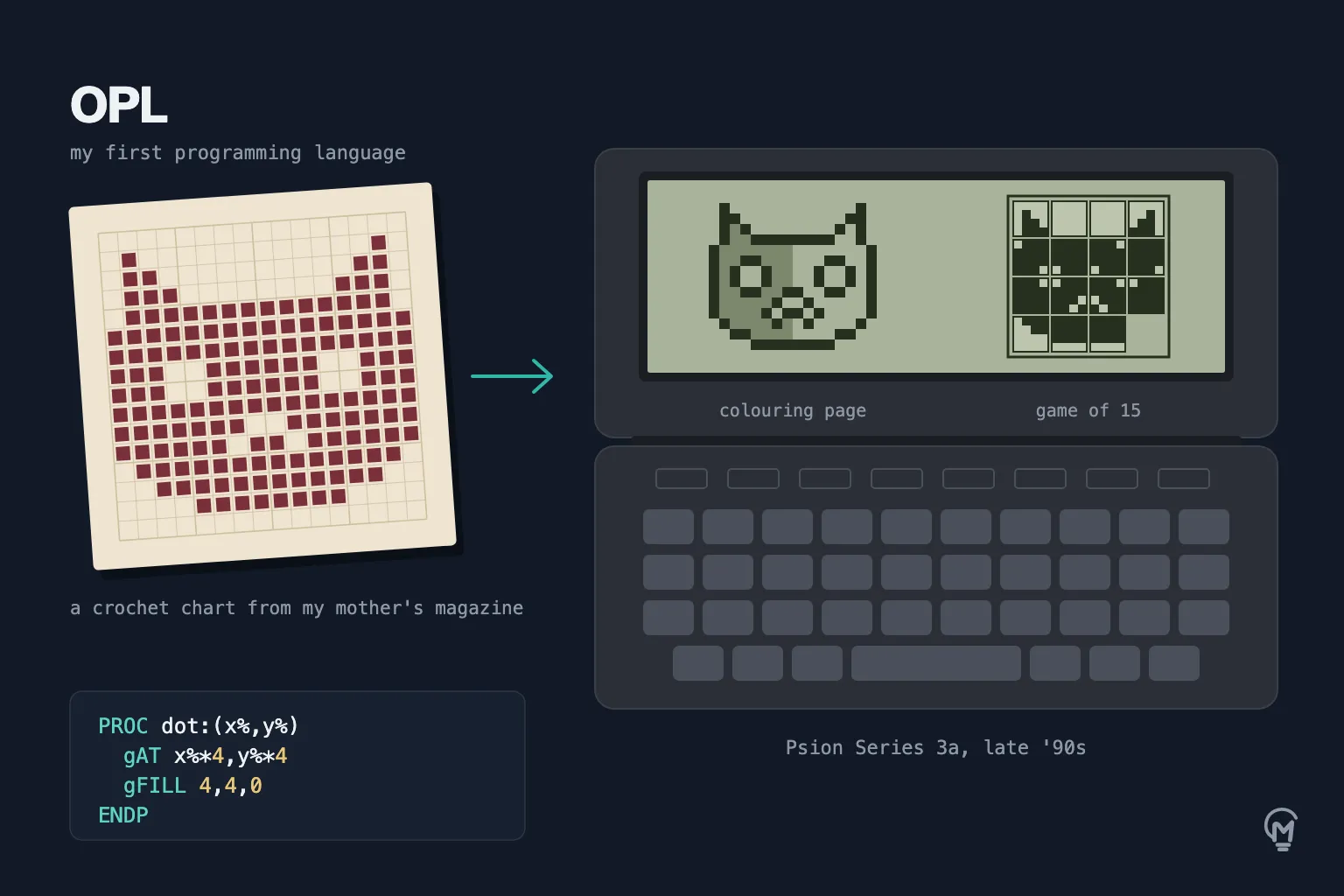 My First Program: Colouring Pages on a Psion Series 3a form.ts
form.addEventListener("submit", async (event) => {
event.preventDefault();
if (!form.reportValidity()) return;
const data = new FormData(form);
const message = String(data.get("message") ?? "").trim();
if (message.length < 10 || message.split(/\s+/).length < 2) {
tell("bad", "The message is very short. Tell me a little more and I'll know how to reply.");
(form.querySelector("[name=message]") as HTMLTextAreaElement).focus();
return;
}
button.disabled = true;
button.textContent = "Sending…";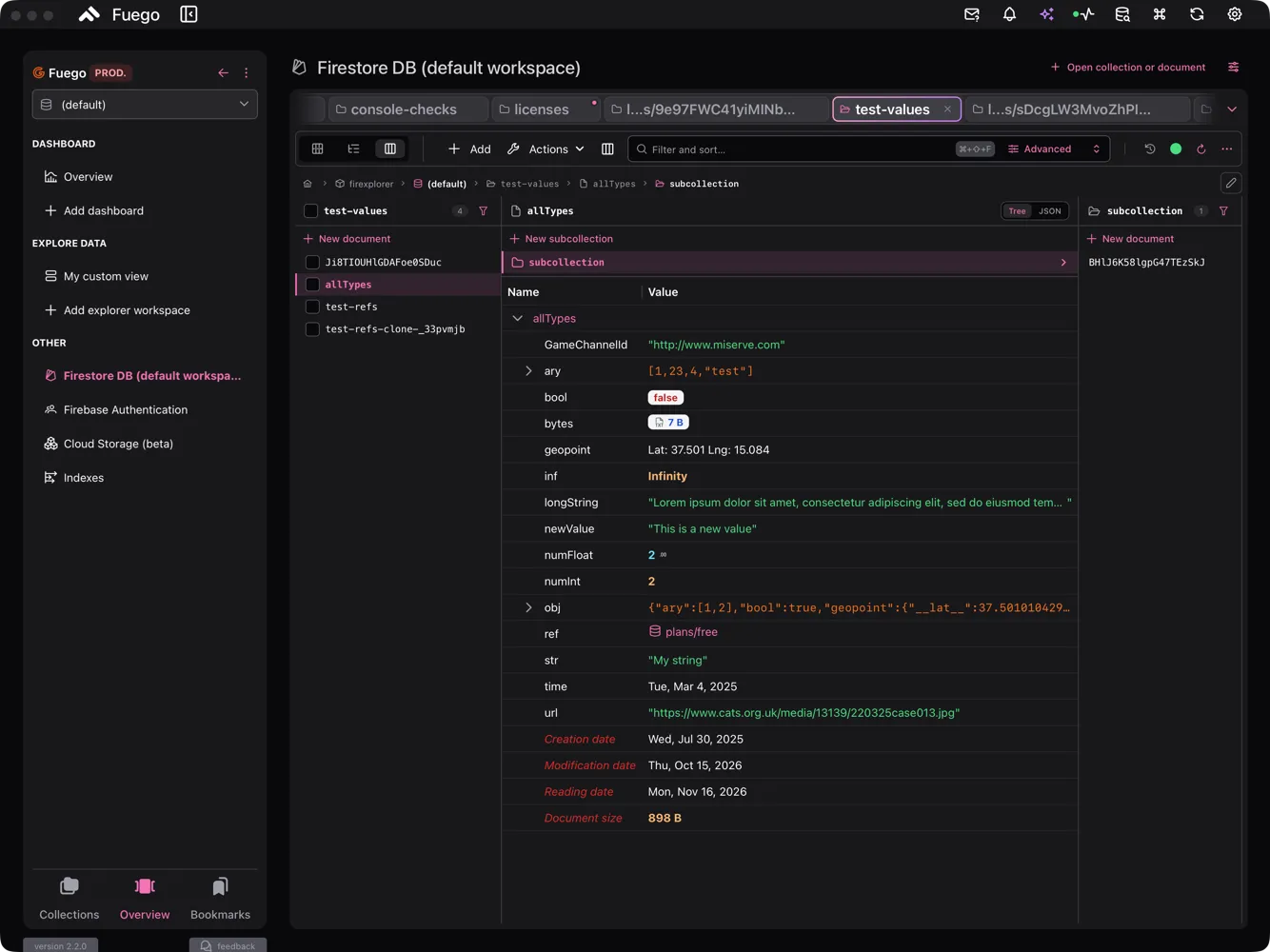 The Story Behind Fuego: Why I Built It lens.ts
/* the spring: stiff while a hand holds the glass, looser once it lets go */
const k = held ? 420 : 150;
const c = held ? 34 : 19;
vx += ((tx - x) * k - vx * c) * dt;
vy += ((ty - y) * k - vy * c) * dt;
x += vx * dt;
y += vy * dt;
const speed = Math.hypot(vx, vy);
const settled = speed < 4 && Math.hypot(tx - x, ty - y) < 0.4;
if (settled) {
x = tx;
y = ty;
vx = vy = 0;
}
draw(settled ? 0 : speed);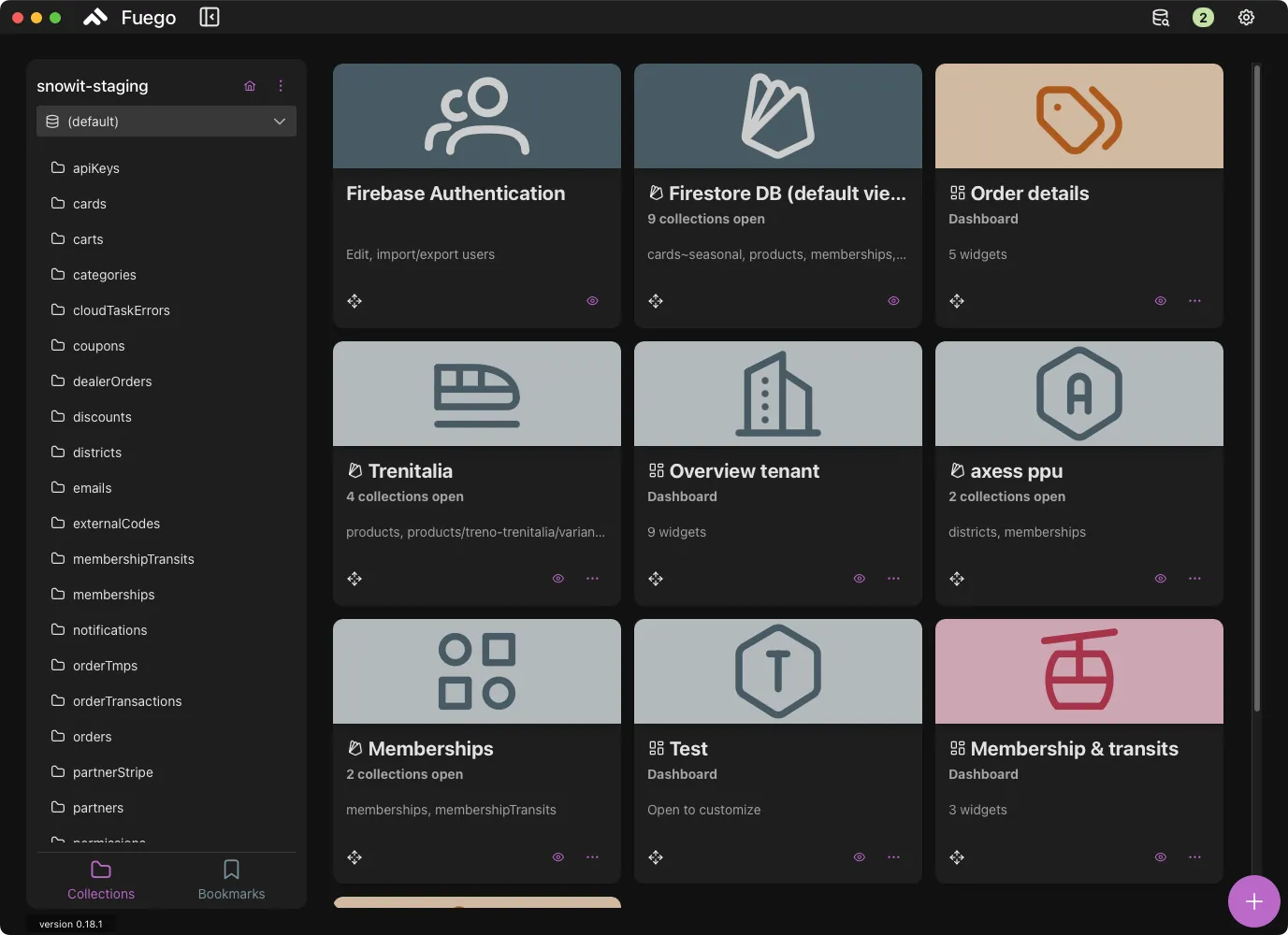 Fuego: a project's home, with its views and dashboards as a grid of cards
 From Dynamic Languages to Go: How Simplicity Changed My Development Mindset site.css
.glass {
background: linear-gradient(180deg, rgb(255 255 255 / 0.66), rgb(232 238 247 / 0.4));
-webkit-backdrop-filter: blur(14px) saturate(1.8);
backdrop-filter: blur(14px) saturate(1.8);
box-shadow:
inset 0 1.5px 0 rgb(255 255 255 / 0.95),
inset 0 -1.5px 1px rgb(255 255 255 / 0.7),
inset 0 -12px 16px -10px rgb(40 72 124 / 0.24),
inset 0 10px 14px -12px rgb(40 72 124 / 0.12),
0 14px 30px -14px rgb(18 34 60 / 0.38);
}
/* ---------- the pill ---------- */
.pill {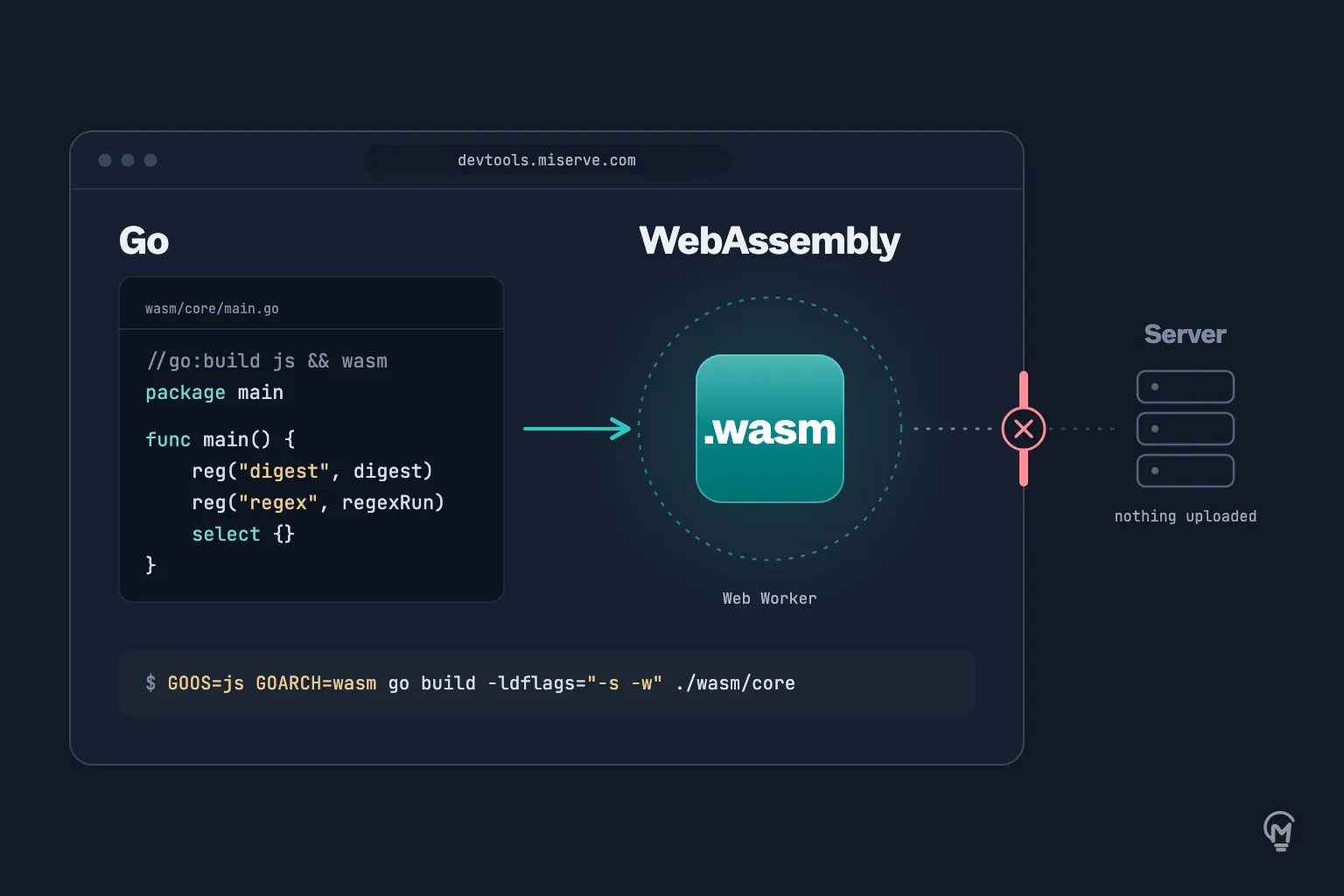 Go in the Browser: What I Learned Shipping Developer Tools with WebAssembly
Hi, I'm Santino Bivacqua, but you can call me Santi.
I'm a software developer passionate about Golang, Typescript, and Ruby, with a growing interest in Flutter. Based in Catania (Sicily, Italy), at the foot of Mount Etna, I focus on continuous improvement, both personally and professionally.
I started programming in the late '90s, in OPL on a Psion Series 3a: my first program had colouring pages and a 15 puzzle made from drawings I copied from the crochet charts in my mother's magazines. I wrote down the whole story.
AI shows up in my work in two places: inside some of what I build, and in how I build it. I work with coding agents every day, this site included. They draft and explore; I decide what ships.
In Italian, “mi serve” means “I need it.” I used to work in a shop, and customers would often start their requests with “Mi serve…”, so when I started my own e-commerce of digital services, selling ebooks and converting files between digital formats, the name was already there. In the first logo, the S was drawn as the outline of a shopping cart.
It is pronounced [mi ˈsɛr.ve], with the stress on “ser”.
Fuego . A desktop app for Firestore and Firebase.
I built it because I got tired of fighting the Firestore tooling on my own projects.
fuegoapp.dev 
 Scarabokki .
A gallery of colouring pages, with an AI studio that generates them.
The idea is almost thirty years old: it goes back to my first program, colouring pages and a 15 puzzle made from my own drawings on a Psion Series 3a. The colouring apps I found years later were full of ads and ugly drawings, so I built the one I wanted, 15 puzzle included.
scarabokki.online  DevTools .
Small developer tools that run in your browser tab.
I had them in mind for years. Plenty of tools like these exist, just not the way I wanted them, and building them was out of reach: the browser could not run Go before WebAssembly, and one person could not write this many tools by hand before AI. Nothing you paste is uploaded: the work happens on your device, with Go compiled to WebAssembly where the browser cannot do it alone.
devtools.miserve.com Golang 100 out of 100
 Ruby 100 out of 100
 Typescript 100 out of 100
 PHP 90 out of 100
 Rust 50 out of 100
 React 100 out of 100
 Vue 100 out of 100
 Flutter 50 out of 100
Out of 100. These are my own numbers, not a benchmark.
Backend developer at Sport it. Freelance since 2005.
I work mainly in Golang, TypeScript and Ruby.
Backend Developer
Sport it 2019 – today
Full-Stack Developer
Dathlos 2015 – 2019
Full-Stack Developer
Netfunitalia 2012 – 2020
Freelance
Dozens of projects 2005 – today
MiServe DevTools is a set of 39 small developer tools that run in the browser tab, and nothing you paste into them is uploaded. Most are plain TypeScript. Ten run Go compiled to WebAssembly, for the jobs the browser cannot do alone. This is what it costs in megabytes, and what I had to build around it.
Coming from years of working with dynamic languages like PHP, Ruby, and TypeScript, I was looking for something fast, simple, and reliable. Go became the natural next step — and in less than a week, I was fully productive, building real features for my Firestore management app, Fuego. This post shares how Go’s simplicity, performance, and effortless deployment completely transformed the way I build software.
Building Fuego was not just about creating another tool for developers—it was about solving a problem I had personally faced countless times. As a developer working extensively with Firebase and Firestore, I often found myself struggling with the lack of a streamlined, user-friendly interface to manage databases and connected services efficiently.
In the late '90s I bought a second-hand Psion Series 3a from a friend for next to nothing, found a manual by chance at a newsstand in a Sicilian mountain village, and copied the crochet charts from my mother's magazines to make colouring pages and a 15 puzzle. Almost thirty years later, that same idea became Scarabokki.
Tell me what you need
Mi serve is Italian for “I need it”. It is how customers began their requests in the shop where I used to work, and it is where every project of mine starts.